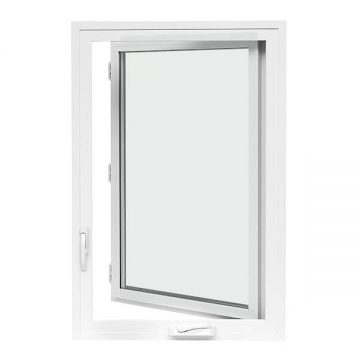
Casement Windows
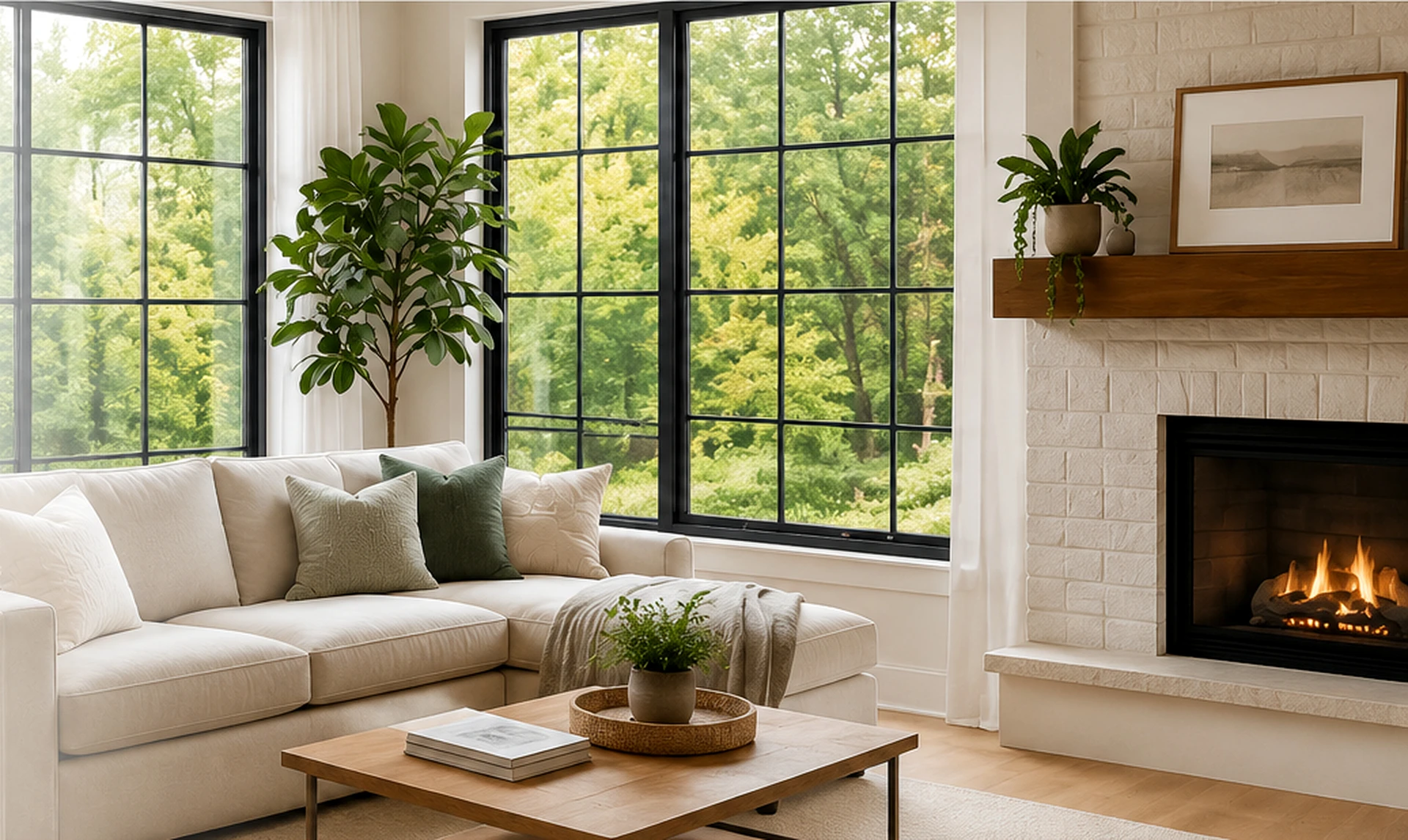
Casements are tall, narrow windows that swing outward from the side. We often recommend them when homeowners want easy operation, strong ventilation and a clear, open view.
These cover the majority of replacement-window decisions. Specialty shapes and configurations are available when the opening calls for something different.

Side-hinged and crank-operated. Opens outward for full-height ventilation and a clear view.

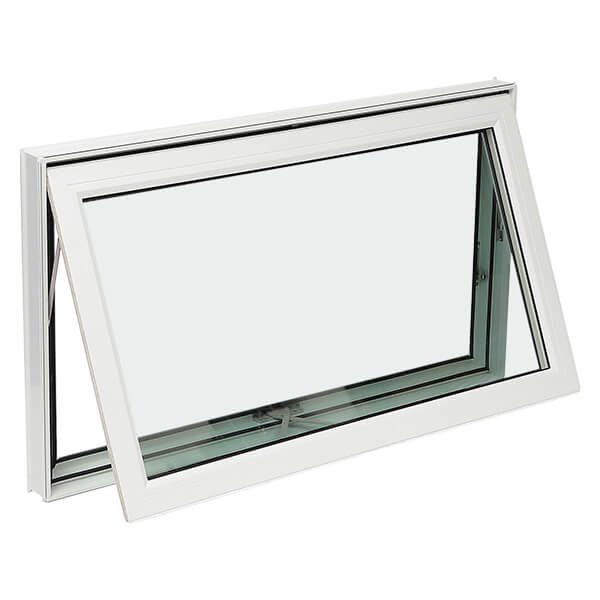
Hinged at the top and opens from the bottom. Useful where you want ventilation from a wider, shorter opening.

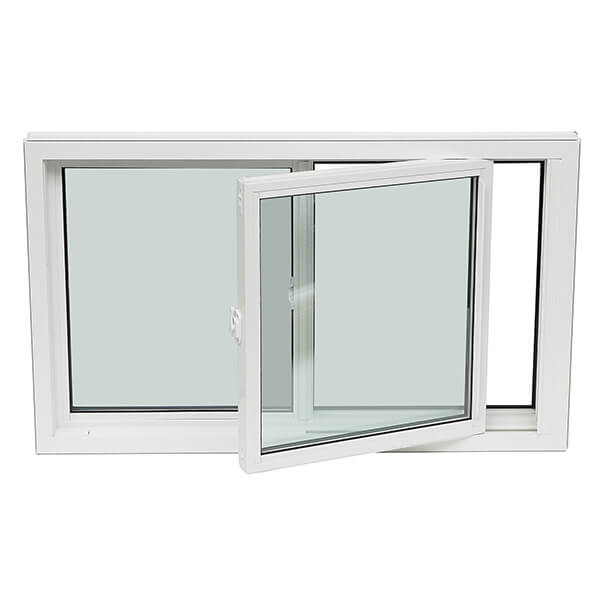
Sashes move side to side, so no exterior swing space is required.

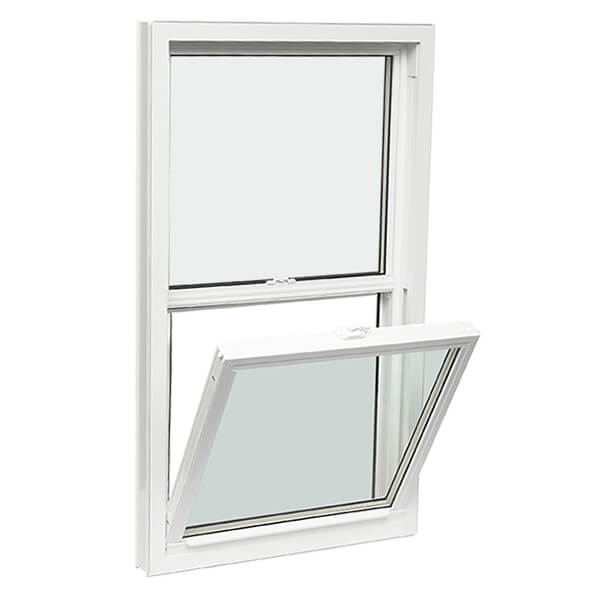
Vertical operation with single- or double-operating sash options. A familiar choice for traditional homes.

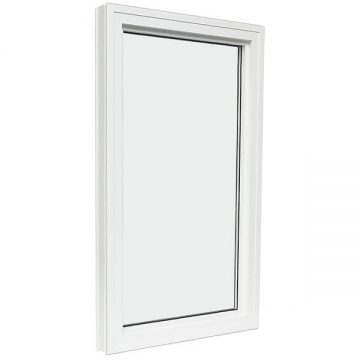
Does not open. A clean option when the priority is natural light, view and a simple fixed opening.


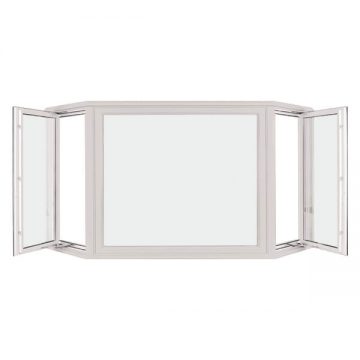
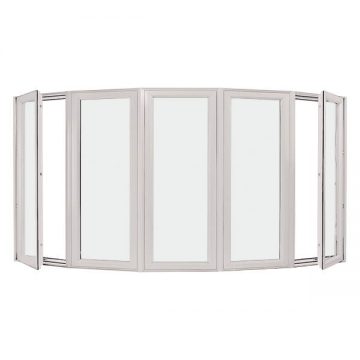
Multiple windows project outward to create more dimension, broader views and a brighter room.
Use this as a starting point. We can confirm the right configuration after seeing the opening and how the room is used.
The opening method changes how a window ventilates, cleans, fits around furniture and walkways, and looks from inside and outside.

Casements are tall, narrow windows that swing outward from the side. We often recommend them when homeowners want easy operation, strong ventilation and a clear, open view.

Awning windows are wider than they are tall, hinged at the top and opened from the bottom with a crank. Their shape makes them useful for ventilation in kitchens, bathrooms and combination window layouts.

Slider sashes move side to side. We offer single, double and end-vent configurations that work well where outward clearance is limited and simple operation is important.

Hung windows slide vertically. A single-hung window has one operating sash, while a double-hung window has two. We can recommend tilt-in configurations when easier interior cleaning is a priority.

Fixed windows do not open. They are ideal where ventilation is not needed and you want the glass area to do the work—bringing in light, opening up the view and pairing cleanly with operating units.


Both project outward and combine multiple window units. Bow windows typically use four or five adjoining units for a softer curve, while bay windows commonly use a larger centre window with angled side units.
There is no single rule for every house, but these combinations are practical starting points for common replacement projects.
Picture + casement for a broad view with ventilation where you need it.
Casement or hung depending on exterior clearance, appearance and the opening.
Casement or awning for easy ventilation and flexible placement around counters.
Awning can be a useful option where privacy and ventilation both matter.
Slider is a natural fit for many wide, shorter basement openings.
Picture, bay or bow when natural light and curb appeal are major priorities.
Glass, frame design and installation all affect comfort. We offer premium window systems with double- and triple-glazing options, Low-E glass and performance-focused frame designs.
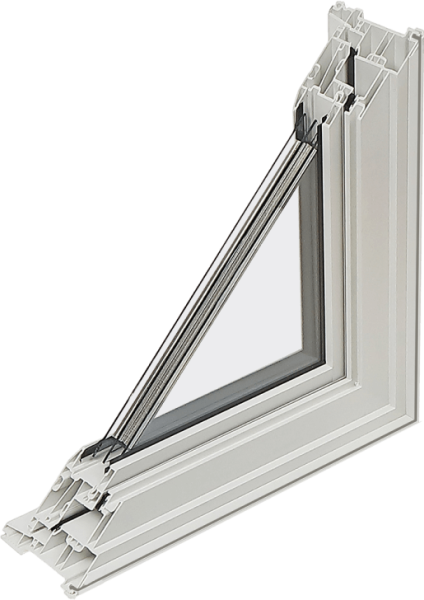
Modern window performance comes from the full system: insulated glass, Low-E coatings, sealed air spaces, frame chambers, hardware and proper installation.
Two panes of glass separated by an insulated space. A common modern replacement option when balancing performance and budget.
Three panes create another insulating layer. It can improve thermal comfort and is worth considering when efficiency is a higher priority.
A low-emissivity coating helps manage heat transfer through the glass while still allowing natural light into the home.
Our premium vinyl window systems use multi-chamber frame designs to support structural strength and insulating performance.
The window needs to close and seal properly. Hardware, drainage and the interface between window and wall all matter.
A high-performance window still depends on accurate sizing, proper shimming and a well-sealed installation around the opening.
There is no automatic answer for every house. The right choice depends on the existing windows, exposure, comfort goals, budget and the window configuration.
A practical modern option for many replacement projects.
Adds a third pane and another insulating space for greater thermal performance.
Some problems point to the glass, some to the hardware or frame, and some to the installation around the opening.
Start with the way the room is used. Then choose the glass package and finish. We can handle the technical details during the measurement and recommendation process.
We source our window systems through Stage Windows & Doors, a Canadian manufacturer based in Vaughan. We help you choose the right style, glazing package and configuration for your home, then handle the measurement and professional installation.
Straight answers before you request a measurement or estimate.
Casement windows are a strong all-around starting point when ventilation, clear views and a tight closing action are priorities. The best choice still depends on the opening, room layout and exterior clearance.
Double glazing uses two panes of glass; triple glazing uses three. Triple glazing adds another insulating layer and can improve thermal comfort, but the best package depends on the home, exposure, style and budget.
Sliding and hung windows are useful where exterior clearance matters because they do not swing outward into the walkway, porch or deck.
A fixed or picture window is a good choice when ventilation is not required and the priority is an uninterrupted glass area, view and natural light.
No. Both project outward, but a bay window typically has a larger centre unit and angled sides. A bow window usually uses four or five adjoining units to create a softer curved appearance.
No. Tell us what you want to improve—drafts, appearance, ventilation, view, operation or energy performance. We can recommend the style and glazing package after reviewing the opening and your priorities.
Tell us your city and what you want to replace. We will help you narrow down the window style, glazing and installation approach for your home.